Understand the layout: The ‘dirty’ zone and the ‘clean’ zone

A well-designed changing room and sluice entry zone prevent contamination by ensuring a clear separation between dirty and clean zones. Employees arrive from outside environments carrying bacteria and contaminants on their clothing, shoes, and hands. Without a structured hygiene process, these contaminants can enter production areas, risking product safety and regulatory compliance.

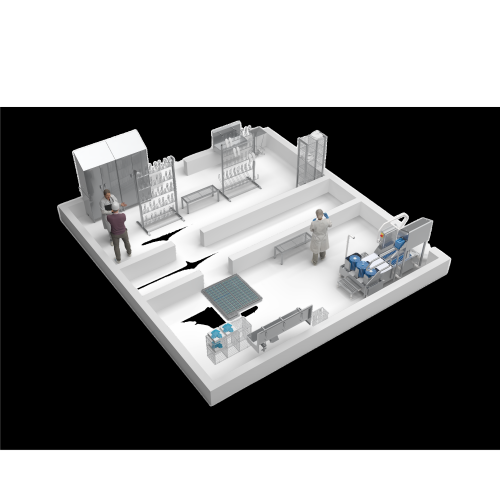
By creating a controlled transition, employees first pass through the dirty zone, where they remove personal clothing and prepare for work. From there, they move into the clean zone, where the hygiene sluice ensures proper handwashing, footwear sanitization, and drying. Before entering production, employees must also pass through a guard, ensuring that hygiene procedures have been followed. Only after completing this process do they enter the production area, meeting strict hygiene standards.

3D rendering hygienic facility floor plan

Hygiene standards your facility must know


HACCP Compliance
Entry zones must be part of a food safety management system to prevent contamination at critical points.

Structured Personnel Flow
Facilities should enforce a one-way movement from dirty to clean areas to prevent cross-contamination.

Hand & Foot Hygiene
Sensor-activated handwashing stations and automatic boot washers ensure high hygiene compliance.

Stainless Steel Equipment
Lockers, benches, and partitions made of stainless steel offer corrosion-resistant, easy-to-clean solutions.

Ventilation & Air Control
Positive air pressure keeps contaminants from entering clean zones, ensuring hygiene integrity.

Do you need help with layout and design?

If needed, our experts can provide custom 2D design proposals, ensuring your changing room and sluice entry zone fit your available space.

  • Designed to fit your available space
  • Custom solutions based on your facility’s needs
  • Meets hygiene standards like HACCP, IFS, et BPF
Contact
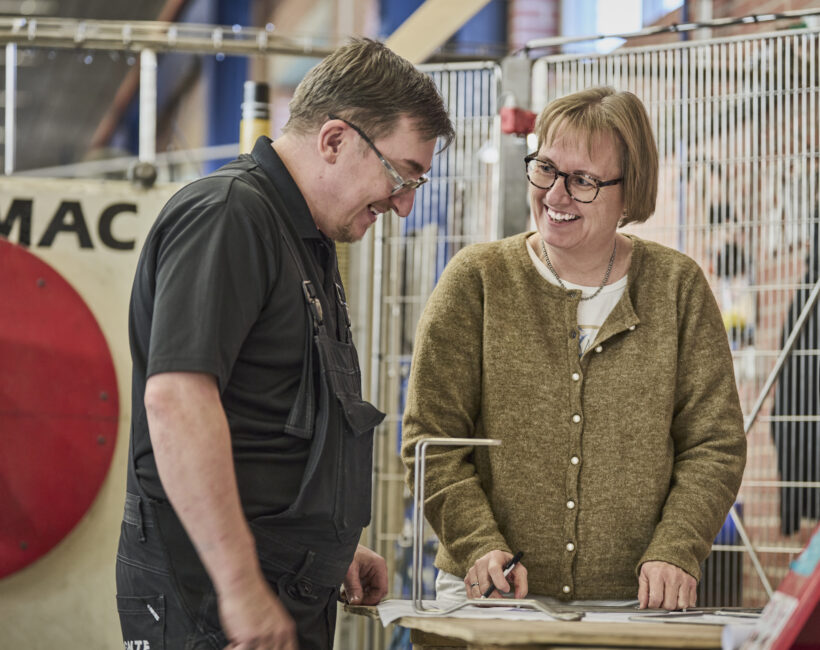
Man and woman discussing products in warehouse

Choose stainless steel

Stainless steel provides a hygienic, durable, and cost-effective solution for changing room environments. Its smooth, non-porous surface prevents bacterial buildup, making it easy to clean and resistant to harsh disinfectants. Unlike plastic or coated materials, stainless steel does not degrade over time.

With rounded edges and seamless welds, stainless steel furniture eliminates dirt traps, making cleaning more effective. Its corrosion-resistant properties ensure that lockers, benches, and storage solutions remain in top condition even after repeated exposure to water and cleaning agents.

View products
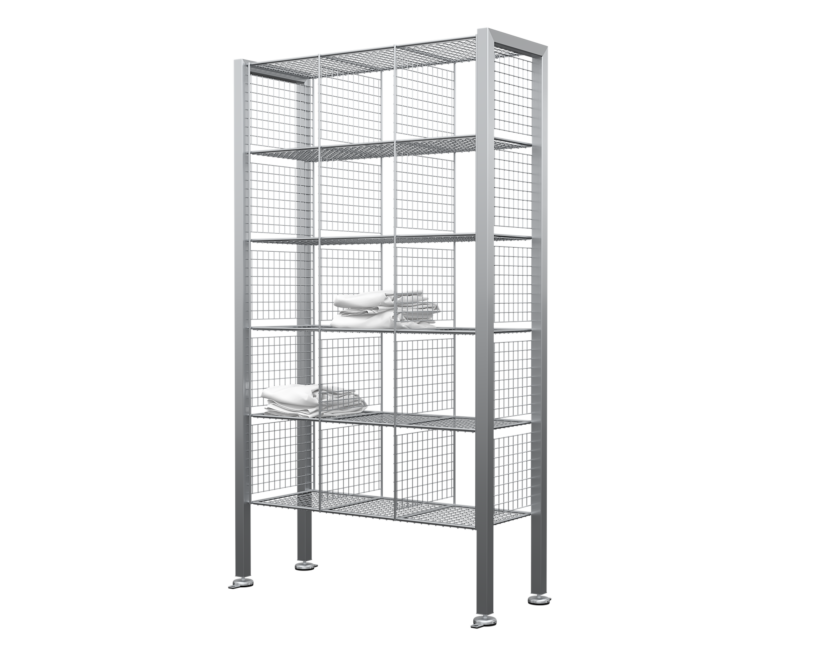
Tall stainless steel wire shelving unit

Explore our stainless steel products
pour les vestiaires

Porte-manteaux en acier inoxydable et accessoires indispensables pour la garde-robe

Porte-manteaux en acier inoxydable conçus pour le rangement hygiénique des vêtements et des accessoires. Disponibles en plusieurs modèles.

Afficher la catégorie

Corbeilles à papier et porte-sacs poubelle en acier inoxydable

Corbeilles à papier et poubelles disponibles en différentes tailles pour répondre à vos besoins.

Afficher la catégorie

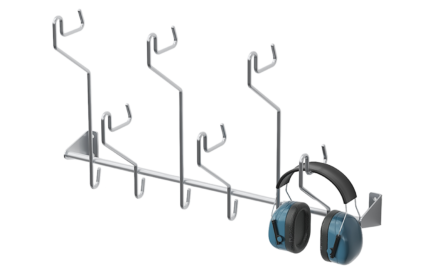
Porte-gants, porte-chaussures et porte-bottes en acier inoxydable, ainsi que séchoirs

Supports muraux et sur pied en acier inoxydable destinés au rangement hygiénique des bottes de travail, des gants et des chaussures.

Afficher la catégorie

Solutions d'hygiène pour les zones d'accès aux sas

Des machines à laver qui garantissent un nettoyage efficace des semelles, des bottes et des tiges de bottes, répondant ainsi à tous les besoins en matière de nettoyage des chaussures.

Afficher la catégorie

Hygienic Sluice Entry Zones

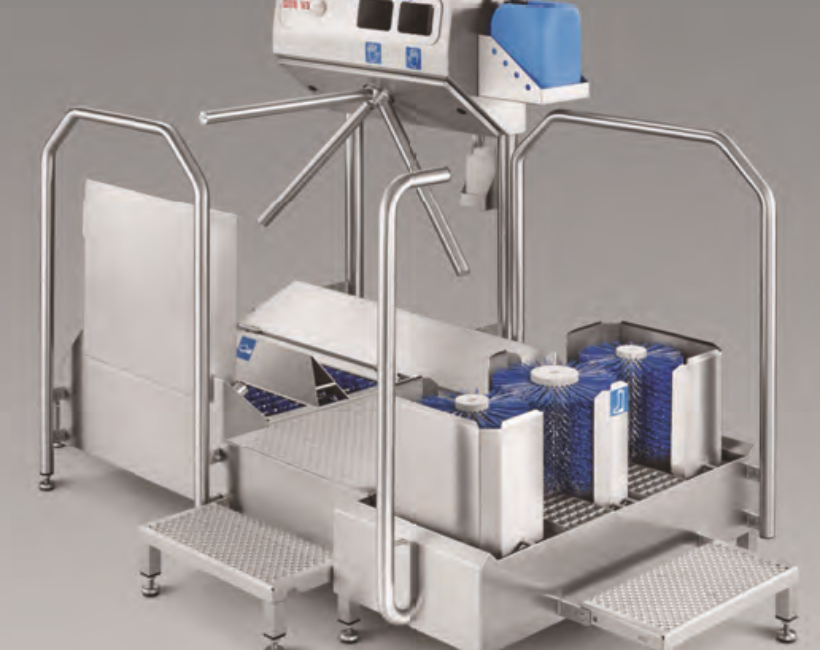
Sluice entry zones are essential for keeping food production areas clean by preventing contaminants from entering. They enforce hygiene with handwashing stations, boot washers, and controlled access.

Automated systems like sensor-activated sanitizers and foot-operated boot washers improve compliance and reduce cross-contamination. Stainless steel is the best material for sluice equipment because it’s durable, easy to clean, and corrosion-resistant.

A well-designed sluice ensures a smooth, one-way flow with airlocks, barriers, or turnstiles guiding personnel through the hygiene process. Proper drainage and ventilation keep the area clean and controlled.

Advanced entry control with dust wash

Hygienic sluice
entry areas

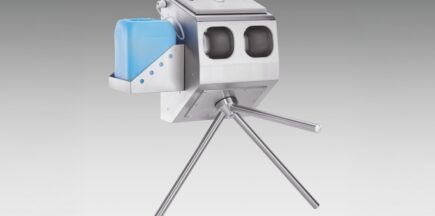
Désinfectant pour les mains avec embout pivotant, Highline

Le distributeur de désinfectant pour les mains à tête pivotante Highline est conçu pour désinfecter ou savonner les deux mains en même temps.

View Product

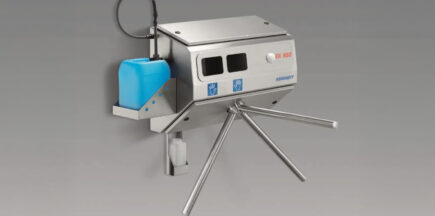
Distributeur de savon pour les mains avec tourniquet, Ecoline

Dimensions du distributeur de savon pour les mains avec poignée rotative, gamme Ecoline : L : 400/653 mm x P : 345/895 mm x H : 575/1385 mm

View Product

Distributeur de savon pour les mains avec tourniquet, Highline

Le distributeur de savon pour les mains Highline, doté d'une poignée rotative en forme de croix, est conçu pour permettre d'appliquer du savon sur les deux mains en même temps.

View Product

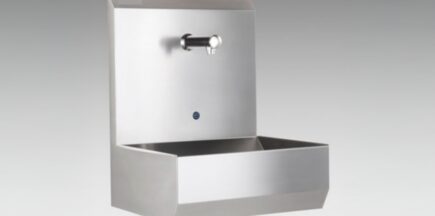
Lavabo 1P, 24 V Ecoline, capteur intégré à la plaque arrière

Lavabo conçu pour une utilisation dans les secteurs pharmaceutique et agroalimentaire.

View Product

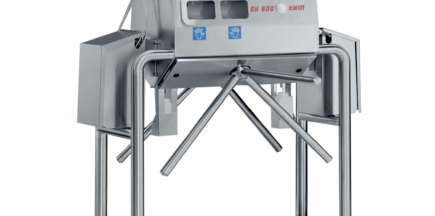
Commande d'entrée à deux voies, Ecoline TWIN

Ce système de contrôle d'accès à deux voies, Ecoline TWIN, garantit le lavage obligatoire des mains avant l'accès aux installations de production. Ce n'est qu'après avoir appliqué du savon ou un désinfectant pour les mains que le passage est autorisé via un tourniquet mécanique.

View Product

Contrôle d'accès à deux voies Highline TWIN

Ce poste de contrôle d'accès à deux voies Highline TWIN garantit le lavage obligatoire des mains avant l'accès aux installations de production. La machine se caractérise par une conception hygiénique et robuste. Le modèle Highline est souvent utilisé dans les environnements de production où la robustesse, la flexibilité et la facilité d'utilisation sont indispensables.

View Product
Showing 6 out of 7 categories
Show more categories

FAQ

Looking for answers? Here you’ll find the most common questions about our hygienic solutions and how we can support your needs.

Vous avez d'autres questions ?

N'hésitez pas à nous contacter

What is the most hygienic material for food industry changing rooms?

Stainless steel is non-porous, corrosion-resistant, and easy to clean, making it ideal for environments where hygiene is critical. Unlike plastic or coated materials, it withstands frequent sanitation without degrading, ensuring long-term durability and compliance with food safety standards.

What is the best way to clean stainless steel equipment in hygiene areas?

Stainless steel should be cleaned with non-corrosive disinfectants and warm water, followed by drying to prevent water stains. Smooth, non-porous surfaces allow for quick and thorough sanitation without trapping bacteria.

What is the purpose of a sluice entry zone in a food factory?

Sluice zones enforce hygiene protocols before personnel enter high-care areas. They include handwashing stations, boot washers, and controlled access points to prevent contamination. One-way flow systems, such as turnstiles and airlocks, ensure proper procedures are followed.

How do I ensure compliance with food hygiene regulations?

Using stainless steel fixtures, implementing strict hygiene protocols, and designing spaces for easy sanitation all help maintain compliance. Regular staff training and routine cleaning ensure that hygiene standards are consistently met.

How do hygiene zones impact food safety audits?

Well-designed hygiene zones, including sluice entry areas and stainless steel fixtures, demonstrate compliance with HACCP, BRC, and other food safety certifications. A structured personnel flow and documented cleaning processes improve audit readiness and operational efficiency.

Ensemble, façonnons l’avenir

Nous sommes fiers de proposer à nos clients des produits de la plus haute qualité. Cet engagement en faveur de la qualité trouve sa source en nous-mêmes : c’est ainsi que nous travaillons ensemble, que nous nouons des partenariats et que nous respectons nos normes au quotidien.

"*« » indique les champs obligatoires

Ce champ sert à des fins de validation et ne doit pas être modifié.