Understand the layout: The ‘dirty’ zone and the ‘clean’ zone

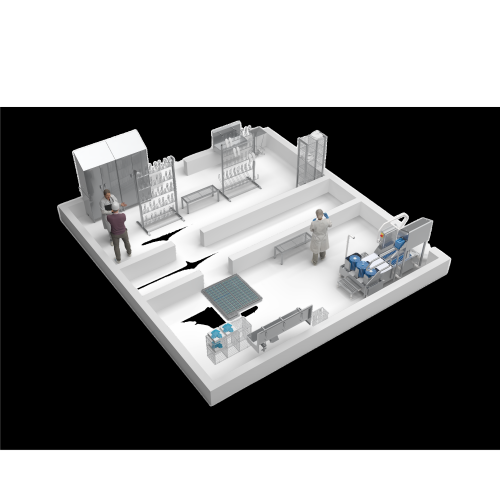
A well-designed changing room and sluice entry zone prevent contamination by ensuring a clear separation between dirty and clean zones. Employees arrive from outside environments carrying bacteria and contaminants on their clothing, shoes, and hands. Without a structured hygiene process, these contaminants can enter production areas, risking product safety and regulatory compliance.

By creating a controlled transition, employees first pass through the dirty zone, where they remove personal clothing and prepare for work. From there, they move into the clean zone, where the hygiene sluice ensures proper handwashing, footwear sanitization, and drying. Before entering production, employees must also pass through a guard, ensuring that hygiene procedures have been followed. Only after completing this process do they enter the production area, meeting strict hygiene standards.

3D rendering hygienic facility floor plan

Hygiene standards your facility must know


HACCP Compliance
Entry zones must be part of a food safety management system to prevent contamination at critical points.

Structured Personnel Flow
Facilities should enforce a one-way movement from dirty to clean areas to prevent cross-contamination.

Hand & Foot Hygiene
Sensor-activated handwashing stations and automatic boot washers ensure high hygiene compliance.

Stainless Steel Equipment
Lockers, benches, and partitions made of stainless steel offer corrosion-resistant, easy-to-clean solutions.

Ventilation & Air Control
Positive air pressure keeps contaminants from entering clean zones, ensuring hygiene integrity.

Do you need help with layout and design?

If needed, our experts can provide custom 2D design proposals, ensuring your changing room and sluice entry zone fit your available space.

  • Designed to fit your available space
  • Custom solutions based on your facility’s needs
  • Meets hygiene standards like HACCP, IFS, en GMP
Contact
Man and woman discussing products in warehouse

Choose stainless steel

Stainless steel provides a hygienic, durable, and cost-effective solution for changing room environments. Its smooth, non-porous surface prevents bacterial buildup, making it easy to clean and resistant to harsh disinfectants. Unlike plastic or coated materials, stainless steel does not degrade over time.

With rounded edges and seamless welds, stainless steel furniture eliminates dirt traps, making cleaning more effective. Its corrosion-resistant properties ensure that lockers, benches, and storage solutions remain in top condition even after repeated exposure to water and cleaning agents.

View products
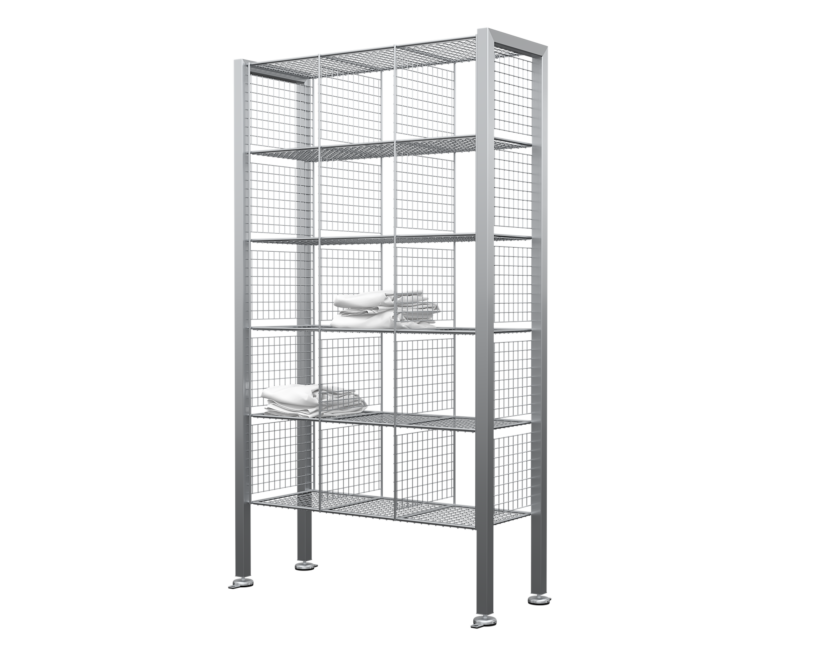
Tall stainless steel wire shelving unit

Explore our stainless steel products
voor kleedkamers

Kledingrekken van roestvrij staal & onmisbare kledingkastbenodigdheden

Kledingrekken van roestvrij staal, ontworpen voor het hygiënisch opbergen van kleding en accessoires. Verkrijgbaar in verschillende modellen.

Categorie bekijken

Prullenbakken en afvalzakhouders van roestvrij staal

Papier- en prullenbakken zijn verkrijgbaar in verschillende maten, afgestemd op uw behoeften.

Categorie bekijken

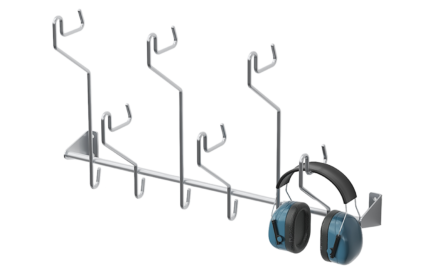
Roestvrijstalen handschoen-, schoen- en laarzenhouders en -drogers

Roestvrijstalen houders voor wandmontage en op de vloer, voor het hygiënisch opbergen van werklaarzen, handschoenen en schoenen.

Categorie bekijken

Hygiënische oplossingen voor de toegangsruimtes van sluisen

Wasmachines die zorgen voor een grondige reiniging van zolen, laarzen en laarzenschachten, en daarmee aan alle behoeften op het gebied van schoenreiniging voldoen.

Categorie bekijken

Hygienic Sluice Entry Zones

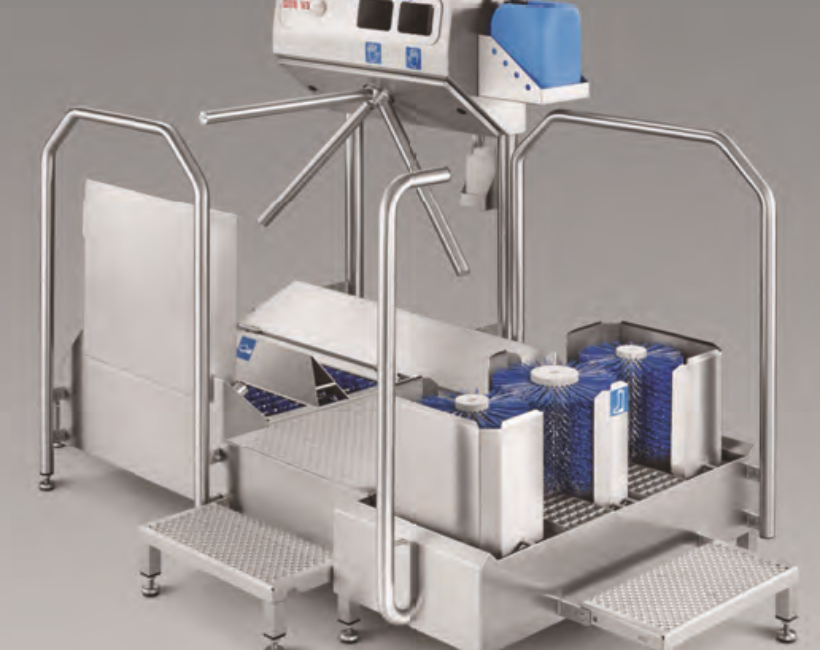
Sluice entry zones are essential for keeping food production areas clean by preventing contaminants from entering. They enforce hygiene with handwashing stations, boot washers, and controlled access.

Automated systems like sensor-activated sanitizers and foot-operated boot washers improve compliance and reduce cross-contamination. Stainless steel is the best material for sluice equipment because it’s durable, easy to clean, and corrosion-resistant.

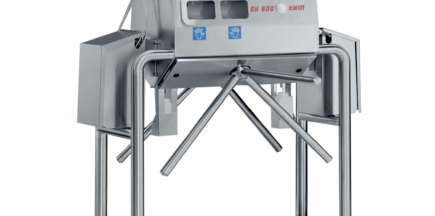
A well-designed sluice ensures a smooth, one-way flow with airlocks, barriers, or turnstiles guiding personnel through the hygiene process. Proper drainage and ventilation keep the area clean and controlled.

Advanced entry control with dust wash

Hygienic sluice
entry areas

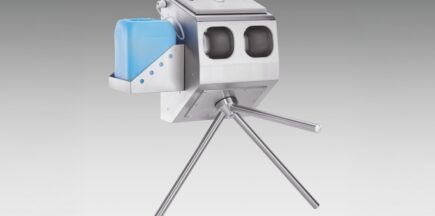
Handdesinfectie met draaibare kop, Highline

Handdesinfectie met draaibare kop: de Highline is ontworpen om beide handen tegelijk te desinfecteren of in te zepen.

View Product

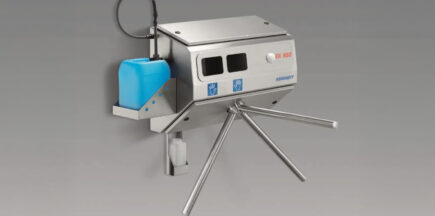
Handzeepdispenser met draaiknop, Ecoline

Afmetingen van de handzeepdispenser met draaikruis, Ecoline: B: 400/653 mm x D: 345/895 mm H: 575/1385 mm

View Product

Handzeepdispenser met draaiknop, Highline

De Highline-handzeepdispenser met draaikruis is ontworpen om beide handen tegelijk van zeep te voorzien.

View Product

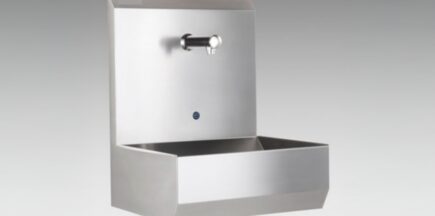
Wastafel 1P, 24 V Ecoline, sensor in achterplaat

Wastafel ontwikkeld voor gebruik in de farmaceutische en voedingsmiddelenindustrie.

View Product

Tweesporige invoerregeling, Ecoline TWIN

Dit toegangscontrolesysteem met twee doorgangen, de Ecoline TWIN, zorgt ervoor dat de handen verplicht worden gereinigd voordat men de productiefaciliteiten betreedt. Pas nadat zeep of handdesinfectiemiddel is aangebracht, wordt de doorgang vrijgegeven via een mechanisch draaipoortje.

View Product

Tweesporige toegangscontrole Highline TWIN

Deze Highline TWIN-toegangscontrole met twee banen zorgt ervoor dat de handen verplicht worden gereinigd voordat men de productiefaciliteiten betreedt. De machine heeft een hygiënisch en robuust ontwerp. Highline wordt vaak ingezet in productieomgevingen waar robuustheid, flexibiliteit en gebruiksgemak vereist zijn.

View Product
Showing 6 out of 7 categories
Show more categories

Veelgestelde vragen

Looking for answers? Here you’ll find the most common questions about our hygienic solutions and how we can support your needs.

Nog vragen?

Neem contact met ons op

What is the most hygienic material for food industry changing rooms?

Stainless steel is non-porous, corrosion-resistant, and easy to clean, making it ideal for environments where hygiene is critical. Unlike plastic or coated materials, it withstands frequent sanitation without degrading, ensuring long-term durability and compliance with food safety standards.

What is the best way to clean stainless steel equipment in hygiene areas?

Stainless steel should be cleaned with non-corrosive disinfectants and warm water, followed by drying to prevent water stains. Smooth, non-porous surfaces allow for quick and thorough sanitation without trapping bacteria.

What is the purpose of a sluice entry zone in a food factory?

Sluice zones enforce hygiene protocols before personnel enter high-care areas. They include handwashing stations, boot washers, and controlled access points to prevent contamination. One-way flow systems, such as turnstiles and airlocks, ensure proper procedures are followed.

How do I ensure compliance with food hygiene regulations?

Using stainless steel fixtures, implementing strict hygiene protocols, and designing spaces for easy sanitation all help maintain compliance. Regular staff training and routine cleaning ensure that hygiene standards are consistently met.

How do hygiene zones impact food safety audits?

Well-designed hygiene zones, including sluice entry areas and stainless steel fixtures, demonstrate compliance with HACCP, BRC, and other food safety certifications. A structured personnel flow and documented cleaning processes improve audit readiness and operational efficiency.

Laten we samen bepalen wat de toekomst brengt

We zijn er trots op dat we onze klanten producten van de allerhoogste kwaliteit leveren. Deze toewijding aan kwaliteit begint bij onszelf – het is de manier waarop we samenwerken, partnerschappen opbouwen en onze normen elke dag hooghouden.

"*" geeft aan dat dit verplichte velden zijn

Dit veld dient ter validatie en mag niet worden gewijzigd.