Understand the layout: The ‘dirty’ zone and the ‘clean’ zone

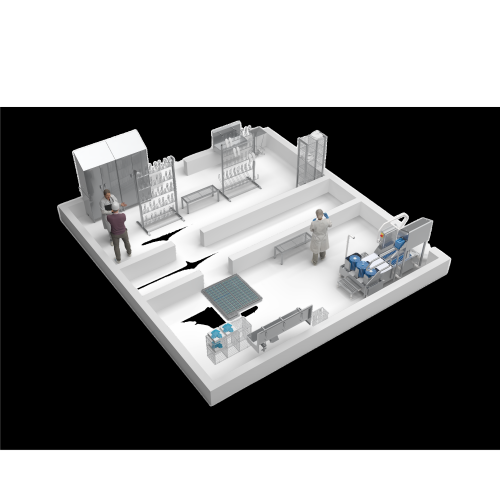
A well-designed changing room and sluice entry zone prevent contamination by ensuring a clear separation between dirty and clean zones. Employees arrive from outside environments carrying bacteria and contaminants on their clothing, shoes, and hands. Without a structured hygiene process, these contaminants can enter production areas, risking product safety and regulatory compliance.

By creating a controlled transition, employees first pass through the dirty zone, where they remove personal clothing and prepare for work. From there, they move into the clean zone, where the hygiene sluice ensures proper handwashing, footwear sanitization, and drying. Before entering production, employees must also pass through a guard, ensuring that hygiene procedures have been followed. Only after completing this process do they enter the production area, meeting strict hygiene standards.

3D rendering hygienic facility floor plan

Hygiene standards your facility must know


HACCP Compliance
Entry zones must be part of a food safety management system to prevent contamination at critical points.

Structured Personnel Flow
Facilities should enforce a one-way movement from dirty to clean areas to prevent cross-contamination.

Hand & Foot Hygiene
Sensor-activated handwashing stations and automatic boot washers ensure high hygiene compliance.

Stainless Steel Equipment
Lockers, benches, and partitions made of stainless steel offer corrosion-resistant, easy-to-clean solutions.

Ventilation & Air Control
Positive air pressure keeps contaminants from entering clean zones, ensuring hygiene integrity.

Do you need help with layout and design?

If needed, our experts can provide custom 2D design proposals, ensuring your changing room and sluice entry zone fit your available space.

  • Designed to fit your available space
  • Custom solutions based on your facility’s needs
  • Meets hygiene standards like HACCP, IFS, y GMP
Contacto
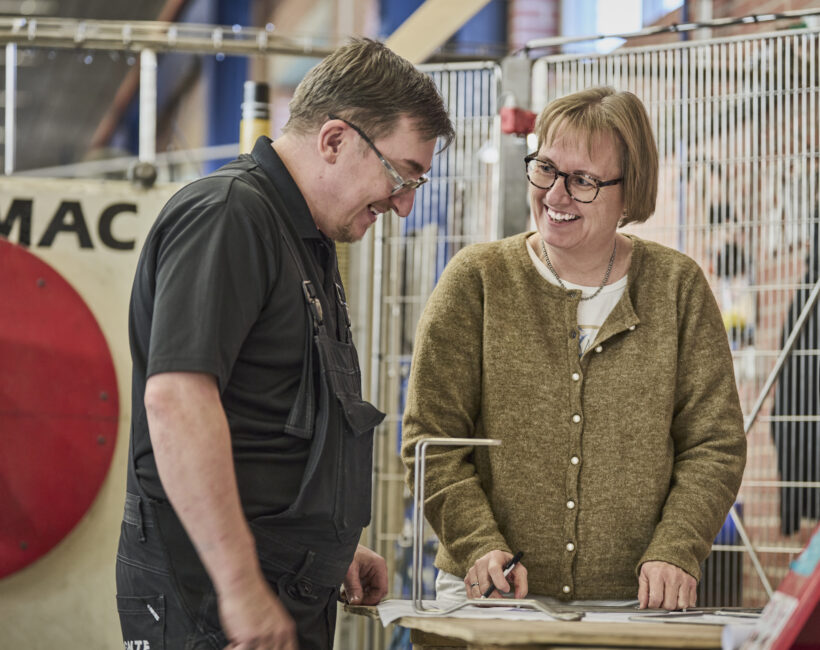
Man and woman discussing products in warehouse

Choose stainless steel

Stainless steel provides a hygienic, durable, and cost-effective solution for changing room environments. Its smooth, non-porous surface prevents bacterial buildup, making it easy to clean and resistant to harsh disinfectants. Unlike plastic or coated materials, stainless steel does not degrade over time.

With rounded edges and seamless welds, stainless steel furniture eliminates dirt traps, making cleaning more effective. Its corrosion-resistant properties ensure that lockers, benches, and storage solutions remain in top condition even after repeated exposure to water and cleaning agents.

View products
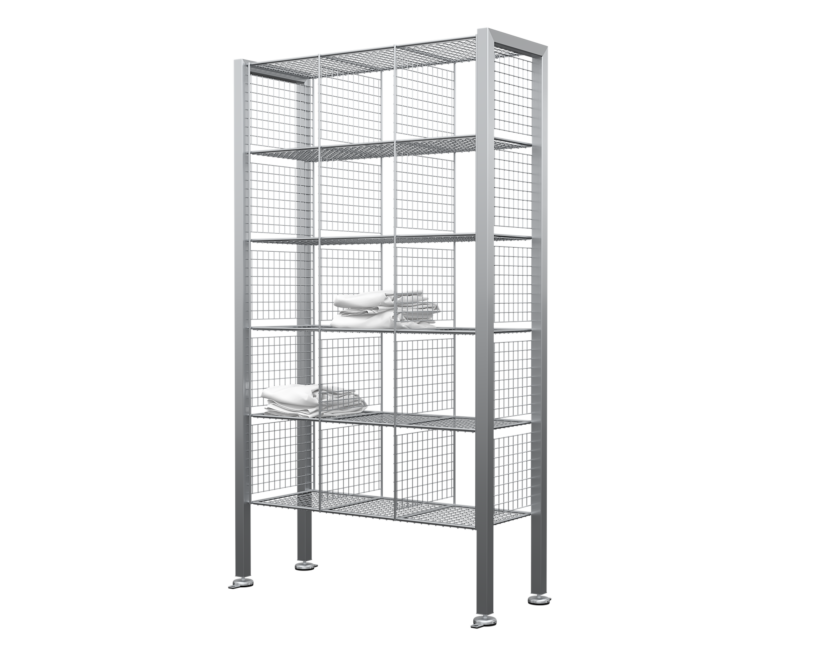
Tall stainless steel wire shelving unit

Explore our stainless steel products
para los vestuarios

Percheros de acero inoxidable y artículos imprescindibles para el armario

Percheros de acero inoxidable diseñados para guardar de forma higiénica la ropa y los accesorios. Disponibles en varios modelos.

Ver categoría

Papeleras y soportes para bolsas de basura de acero inoxidable

Papeleras y cestas de basura disponibles en varios tamaños para adaptarse a tus necesidades.

Ver categoría

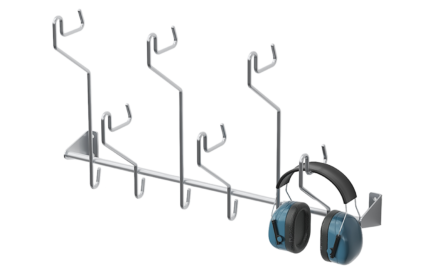
Soportes y secadores de acero inoxidable para guantes, zapatos y botas

Soportes de acero inoxidable, tanto de pared como de pie, para guardar de forma higiénica botas de trabajo, guantes y zapatos.

Ver categoría

Soluciones higiénicas para las zonas de acceso a las esclusas

Lavadoras que garantizan una limpieza eficaz de las suelas, las botas y las cañas, cubriendo todas las necesidades de limpieza del calzado.

Ver categoría

Hygienic Sluice Entry Zones

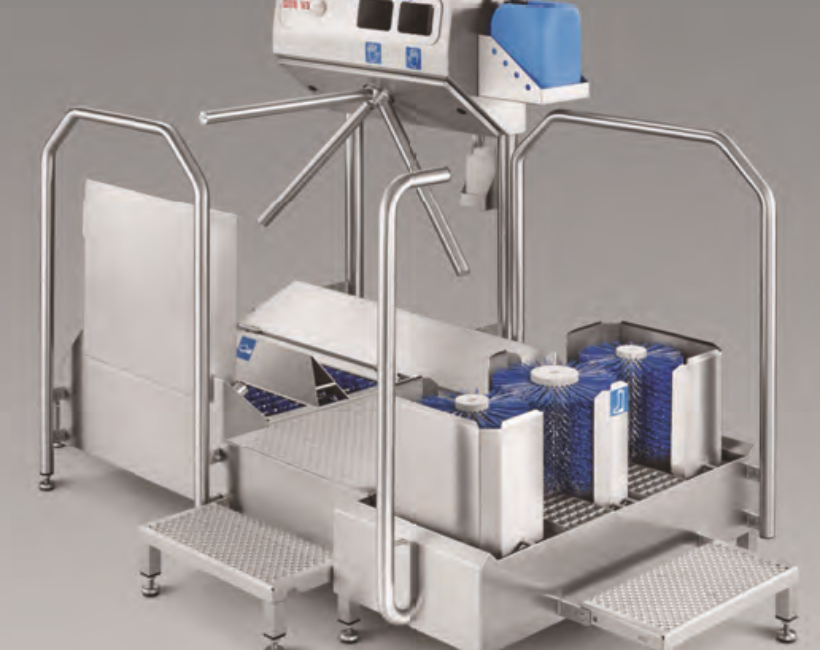
Sluice entry zones are essential for keeping food production areas clean by preventing contaminants from entering. They enforce hygiene with handwashing stations, boot washers, and controlled access.

Automated systems like sensor-activated sanitizers and foot-operated boot washers improve compliance and reduce cross-contamination. Stainless steel is the best material for sluice equipment because it’s durable, easy to clean, and corrosion-resistant.

A well-designed sluice ensures a smooth, one-way flow with airlocks, barriers, or turnstiles guiding personnel through the hygiene process. Proper drainage and ventilation keep the area clean and controlled.

Advanced entry control with dust wash

Hygienic sluice
entry areas

Desinfección de manos con soporte giratorio, Highline

Desinfectante de manos con soporte giratorio: Highline está diseñado para desinfectar o aplicar jabón en ambas manos a la vez.

View Product

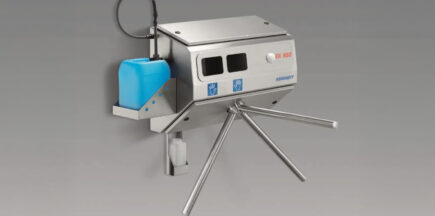
Dispensador de jabón de manos con torniquete, Ecoline

Dimensiones del dispensador de jabón de manos con cruz giratoria, Ecoline: Ancho: 400/653 mm x Profundidad: 345/895 mm x Altura: 575/1385 mm

View Product

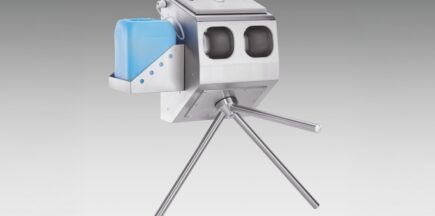
Dispensador de jabón de manos con torniquete, Highline

El dosificador de jabón de manos Highline, con cruz giratoria, está diseñado para aplicar jabón en ambas manos a la vez.

View Product

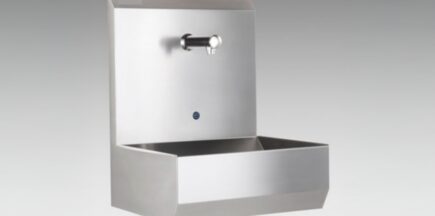
Lavabo 1P, 24 V Ecoline, sensor en la placa trasera

Lavabo diseñado para su uso en la industria farmacéutica y alimentaria.

View Product

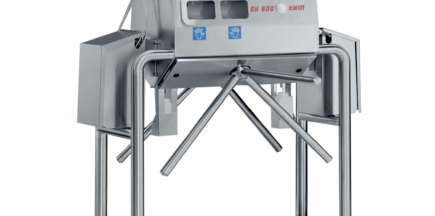
Control de entrada de dos canales, Ecoline TWIN

El sistema de control de acceso de dos vías Ecoline TWIN garantiza la limpieza obligatoria de las manos antes de acceder a las instalaciones de producción. Solo tras aplicar jabón o desinfectante de manos se permite el paso mediante un torniquete mecánico.

View Product

Control de acceso de doble vía Highline TWIN

Este control de acceso de dos vías, el Highline TWIN, garantiza el lavado obligatorio de manos antes de acceder a las instalaciones de producción. La máquina presenta un diseño higiénico y robusto. El Highline se utiliza a menudo en entornos de producción en los que se requiere robustez, flexibilidad y facilidad de uso.

View Product
Showing 6 out of 7 categories
Show more categories

Preguntas frecuentes

Looking for answers? Here you’ll find the most common questions about our hygienic solutions and how we can support your needs.

¿Alguna pregunta más?

Pregúntanos

What is the most hygienic material for food industry changing rooms?

Stainless steel is non-porous, corrosion-resistant, and easy to clean, making it ideal for environments where hygiene is critical. Unlike plastic or coated materials, it withstands frequent sanitation without degrading, ensuring long-term durability and compliance with food safety standards.

What is the best way to clean stainless steel equipment in hygiene areas?

Stainless steel should be cleaned with non-corrosive disinfectants and warm water, followed by drying to prevent water stains. Smooth, non-porous surfaces allow for quick and thorough sanitation without trapping bacteria.

What is the purpose of a sluice entry zone in a food factory?

Sluice zones enforce hygiene protocols before personnel enter high-care areas. They include handwashing stations, boot washers, and controlled access points to prevent contamination. One-way flow systems, such as turnstiles and airlocks, ensure proper procedures are followed.

How do I ensure compliance with food hygiene regulations?

Using stainless steel fixtures, implementing strict hygiene protocols, and designing spaces for easy sanitation all help maintain compliance. Regular staff training and routine cleaning ensure that hygiene standards are consistently met.

How do hygiene zones impact food safety audits?

Well-designed hygiene zones, including sluice entry areas and stainless steel fixtures, demonstrate compliance with HACCP, BRC, and other food safety certifications. A structured personnel flow and documented cleaning processes improve audit readiness and operational efficiency.

Juntos, demos forma al futuro

Nos enorgullecemos de ofrecer a nuestros clientes productos de la máxima calidad. Este compromiso con la calidad nace desde dentro: es la forma en que trabajamos juntos, forjamos alianzas y mantenemos nuestros estándares día a día.

"*" indica los campos obligatorios

Este campo se utiliza con fines de validación y no debe modificarse.