
Understand the layout: The ‘dirty’ zone and the ‘clean’ zone

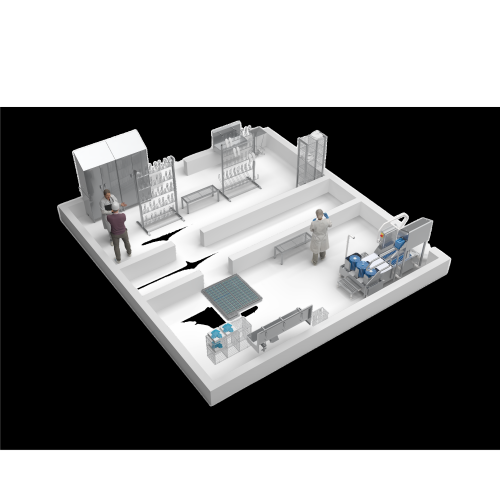
A well-designed changing room and sluice entry zone prevent contamination by ensuring a clear separation between dirty and clean zones. Employees arrive from outside environments carrying bacteria and contaminants on their clothing, shoes, and hands. Without a structured hygiene process, these contaminants can enter production areas, risking product safety and regulatory compliance.

By creating a controlled transition, employees first pass through the dirty zone, where they remove personal clothing and prepare for work. From there, they move into the clean zone, where the hygiene sluice ensures proper handwashing, footwear sanitization, and drying. Before entering production, employees must also pass through a guard, ensuring that hygiene procedures have been followed. Only after completing this process do they enter the production area, meeting strict hygiene standards.

3D rendering hygienic facility floor plan

Hygiene standards your facility must know


HACCP Compliance
Entry zones must be part of a food safety management system to prevent contamination at critical points.

Structured Personnel Flow
Facilities should enforce a one-way movement from dirty to clean areas to prevent cross-contamination.

Hand & Foot Hygiene
Sensor-activated handwashing stations and automatic boot washers ensure high hygiene compliance.

Stainless Steel Equipment
Lockers, benches, and partitions made of stainless steel offer corrosion-resistant, easy-to-clean solutions.

Ventilation & Air Control
Positive air pressure keeps contaminants from entering clean zones, ensuring hygiene integrity.

Do you need help with layout and design?

If needed, our experts can provide custom 2D design proposals, ensuring your changing room and sluice entry zone fit your available space.

  • Designed to fit your available space
  • Custom solutions based on your facility’s needs
  • Meets hygiene standards like HACCP, IFS, and GMP
Contact
Man and woman discussing products in warehouse

Choose stainless steel

Stainless steel provides a hygienic, durable, and cost-effective solution for changing room environments. Its smooth, non-porous surface prevents bacterial buildup, making it easy to clean and resistant to harsh disinfectants. Unlike plastic or coated materials, stainless steel does not degrade over time.

With rounded edges and seamless welds, stainless steel furniture eliminates dirt traps, making cleaning more effective. Its corrosion-resistant properties ensure that lockers, benches, and storage solutions remain in top condition even after repeated exposure to water and cleaning agents.

View products
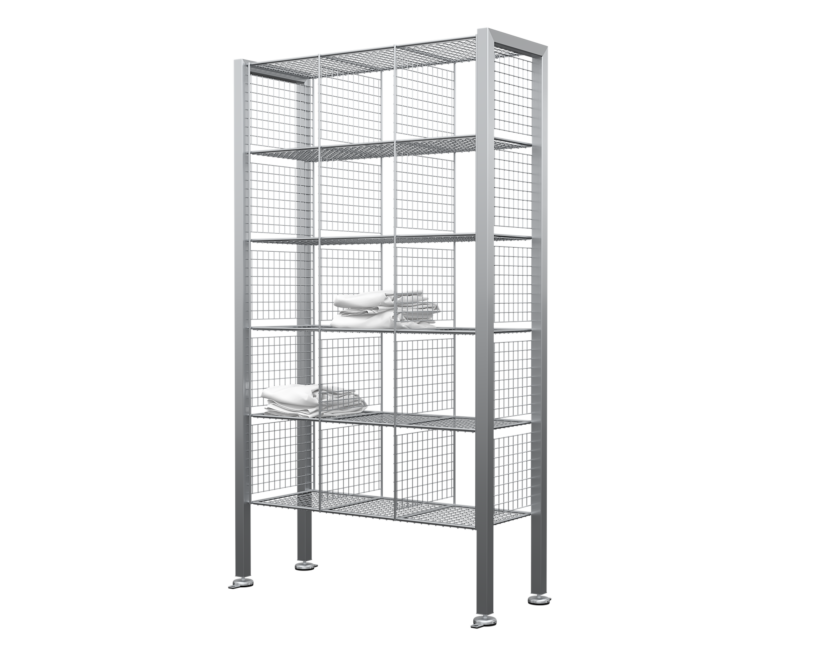
Tall stainless steel wire shelving unit

Explore our stainless steel products
for changing rooms

Stainless steel coat racks & wardrobe essentials

Stainless steel coat racks designed for hygienic storage of clothing and accessories. Available in various models.

View Category

Wastebaskets & waste bag holders

Paper and waste baskets available in various sizes to suit your needs.

View Category

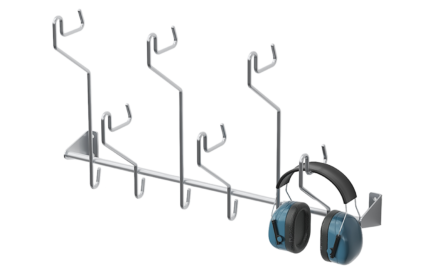
Stainless steel glove, shoe, and boot holders, & dryers

Wall-mounted and floor-standing stainless steel holders for hygienic storage of work boots, gloves, and shoes.

View Category

Hygienic solutions for sluice entry areas

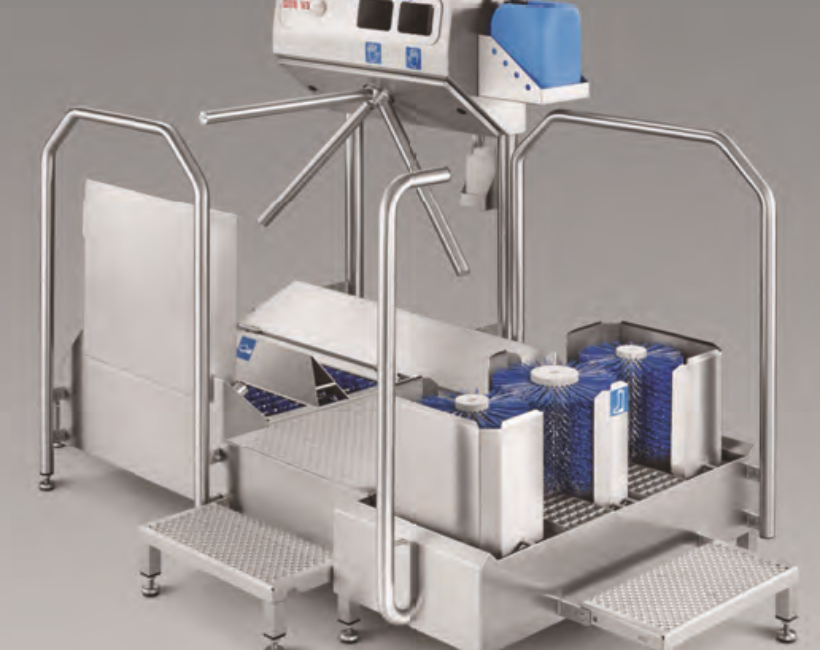
NTF offers sole and boot washers that ensure effective cleaning of soles, boots, and boot shafts, covering every need for cleaning footwear.

View Category

Hygienic Sluice Entry Zones

Sluice entry zones are essential for keeping food production areas clean by preventing contaminants from entering. They enforce hygiene with handwashing stations, boot washers, and controlled access.

Automated systems like sensor-activated sanitizers and foot-operated boot washers improve compliance and reduce cross-contamination. Stainless steel is the best material for sluice equipment because it’s durable, easy to clean, and corrosion-resistant.

A well-designed sluice ensures a smooth, one-way flow with airlocks, barriers, or turnstiles guiding personnel through the hygiene process. Proper drainage and ventilation keep the area clean and controlled.

Advanced entry control with dust wash

Hygienic sluice
entry areas

Hand disinfection with swivel, Highline

Hand disinfection with swivel, Highline is designed to disinfect or apply soap to both hands at once.

View Product

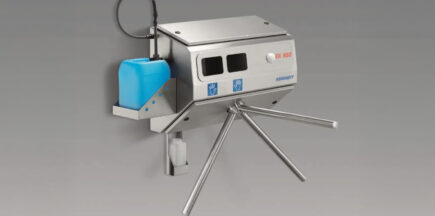
Hand soap dispenser with turnstile, Ecoline

Dimensions of Hand soap dispenser with rotary cross, Ecoline: W: 400/653 mm x D: 345/895 mm H: 575/1385 mm

View Product

Washbasin 1P, 24 V Ecoline, Sensor in back plate

Hand washing station for 2-6P (2-6 washing places/cocks) developed for use in the pharmaceutical and food industry.

View Product

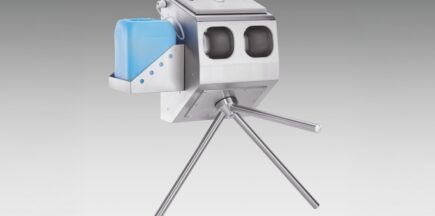
Hand soap dispenser with turnstile, Highline

The Highline hand soap dispenser with rotary cross, Highline is designed to apply soap to both hands at once.

View Product

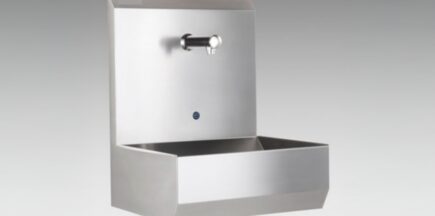
Washbasin 1P, 24 V Ecoline, Sensor in back plate

Washbasin developed for use in the pharmaceutical and food industry.

View Product

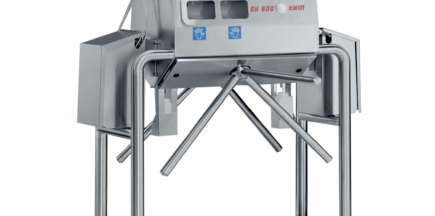
Two-track input control, Ecoline TWIN

This two-track entry control, Ecoline TWIN ensures forced cleaning of hands before entering production facilities. Only after applying soap or hand disinfection, passage is released in the form of a mechanical turnstile.

View Product

Two-track entry control Highline TWIN

This two-track entry control Highline TWIN ensures forced cleaning of hands before entering production facilities. The machine has a hygienic and robust design. Highline is often used in productions where robustness, flexibility and use are required.

View Product
Showing 6 out of 7 categories
Show more categories

FAQ

Looking for answers? Here you’ll find the most common questions about our hygienic solutions and how we can support your needs.

Additional questions?

Ask us

What is the most hygienic material for food industry changing rooms?

Stainless steel is non-porous, corrosion-resistant, and easy to clean, making it ideal for environments where hygiene is critical. Unlike plastic or coated materials, it withstands frequent sanitation without degrading, ensuring long-term durability and compliance with food safety standards.

What is the best way to clean stainless steel equipment in hygiene areas?

Stainless steel should be cleaned with non-corrosive disinfectants and warm water, followed by drying to prevent water stains. Smooth, non-porous surfaces allow for quick and thorough sanitation without trapping bacteria.

What is the purpose of a sluice entry zone in a food factory?

Sluice zones enforce hygiene protocols before personnel enter high-care areas. They include handwashing stations, boot washers, and controlled access points to prevent contamination. One-way flow systems, such as turnstiles and airlocks, ensure proper procedures are followed.

How do I ensure compliance with food hygiene regulations?

Using stainless steel fixtures, implementing strict hygiene protocols, and designing spaces for easy sanitation all help maintain compliance. Regular staff training and routine cleaning ensure that hygiene standards are consistently met.

How do hygiene zones impact food safety audits?

Well-designed hygiene zones, including sluice entry areas and stainless steel fixtures, demonstrate compliance with HACCP, BRC, and other food safety certifications. A structured personnel flow and documented cleaning processes improve audit readiness and operational efficiency.

Together, let’s shape what’s next

We pride ourselves on delivering the highest quality products to our customers. This commitment to quality starts within – it´s how we work together, build partnerships, and uphold our standards every day.

"*" indicates required fields

This field is for validation purposes and should be left unchanged.